Massage guns don't come with a dosage label, but using one wrong can mean bruised tissue, irritated nerves, or wasted time — here's the real, evidence-based breakdown of timing, speed, and safety so every session actually helps your recovery.
Massage Guns Don't Have a "Dose" — But They Do Have a Dial You Need to Respect
Unlike a supplement, a massage gun doesn't come with a capsule count or a milligram label. But treat it casually and you can bruise tissue, irritate nerves, or simply waste twenty minutes doing nothing useful. The real "dosage" questions are: how long per muscle group, how much pressure, what speed setting, and how often per week. Get those four variables right and percussive therapy becomes one of the most efficient recovery tools in your kit.
This guide breaks down evidence-based timing and intensity ranges so you stop guessing and start using your device the way physical therapists actually recommend.
The Core Numbers: Time, Speed, and Pressure
Across sports medicine literature on vibration and percussive therapy, the sweet spot for most large muscle groups is short and frequent rather than long and heavy. Most practitioners recommend 30 to 120 seconds per muscle group, 1 to 2 minutes per side maximum for anything you plan to repeat daily.
- Small muscles (forearms, calves, feet): 30–60 seconds per spot
- Large muscles (quads, hamstrings, glutes, lats): 60–120 seconds per spot
- Full single-limb session: 5–10 minutes total, moving the head continuously — never parking it in one spot
- Speed setting: start at the lowest amplitude/speed and increase only if tissue tolerates it
- Pressure: let the gun's weight and percussion do the work — pressing hard defeats the point and increases bruising risk
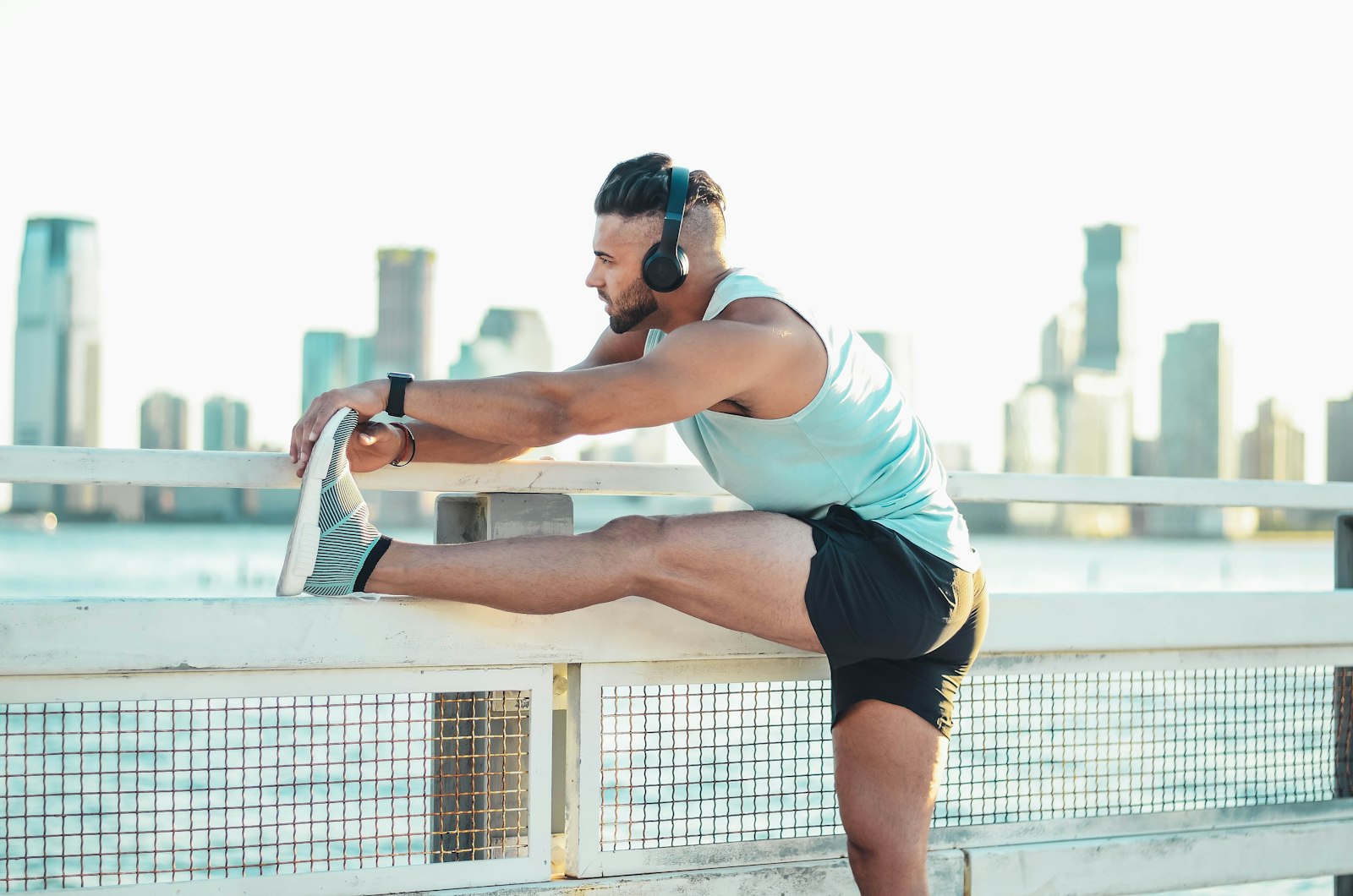
Why "More Minutes" Isn't Better
Percussive therapy works by increasing local blood flow, temporarily reducing muscle spindle excitability, and providing a counter-stimulation effect that can dull perceived soreness. Those effects plateau quickly. Running a gun over one muscle for five or ten straight minutes doesn't deepen the benefit — it mostly increases the odds of superficial bruising, nerve irritation, or a numb, overworked feeling the next day. Think of it like foam rolling: brief, repeated passes beat one long static press.
Timing: Before, After, or Both?
The pre- versus post-workout question matters more with massage guns than with most recovery tools because the goal shifts depending on when you use it.
- Pre-workout (30–60 seconds per muscle, lower speed): used as a warm-up tool to increase local blood flow and range of motion before lifting or running
- Post-workout (60–120 seconds per muscle, light-moderate speed): the most common and best-supported use, aimed at reducing next-day soreness (DOMS) and speeding perceived recovery
- Rest days (as needed, 1–2 full-body passes): light, exploratory use to check for tender spots and encourage circulation without added training stress
| Use Case | Time Per Muscle | Speed | Frequency |
|---|---|---|---|
| Pre-workout warm-up | 30–60 sec | Low | Every session |
| Post-workout recovery | 60–120 sec | Low–Medium | Every session |
| Deep tightness / knots | Up to 2 min, pulsed not held | Medium | 2–4x per week per area |
| Rest-day maintenance | 1–2 min full body pass | Low | 3–5x per week |
| Pre-sleep wind-down | 2–5 min full body | Low | Nightly if tolerated |
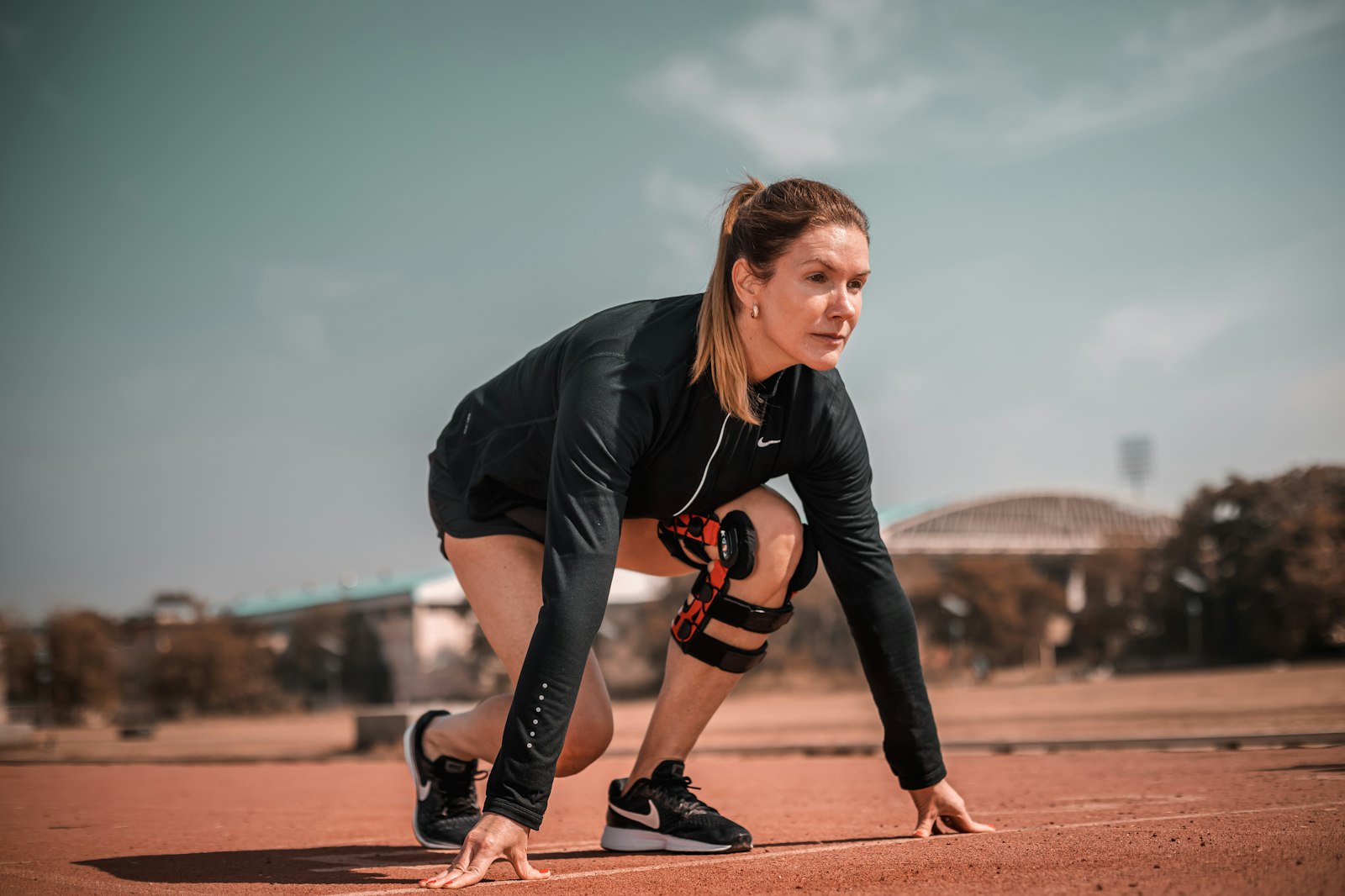
How Often Per Week Is Safe?
For most healthy adults, daily use is fine as long as individual sessions stay short and the device isn't aimed directly at the same bruised or tender spot repeatedly. Elite athletes and physical therapists commonly use percussive devices every training day, but they rotate target areas and never exceed a couple of minutes on any single muscle in one sitting. If you're using a gun primarily to manage one stubborn problem area — like a tight calf or upper trap — three to five short sessions per week tends to outperform one long daily session on the same spot.
Compare Adjustable-Speed Massage Guns
Look for models with multiple speed settings, interchangeable heads, and a stated amplitude around 10–16mm — the range most associated with comfortable, effective percussive therapy.
Shop Massage Guns →Where NOT to Use a Massage Gun
This is the part most buying guides skip, and it's the actual safety-critical dosing question. Certain areas and conditions turn a helpful recovery tool into a genuine risk.
- Never directly on the spine, neck front, throat, or major arteries
- Avoid bony areas (shins, ankles, elbows, knees, skull) — stick to muscle bellies
- Skip any area with acute injury, open wound, recent surgery, or active inflammation/swelling
- Use caution or avoid entirely if you have a blood clotting disorder, are on blood thinners, have varicose veins, or are pregnant (consult a physician first)
- Avoid numb or nerve-compromised areas since you can't gauge pressure feedback properly
Attachment Heads: Matching the Tip to the Target
Most massage guns ship with four to six interchangeable heads, and picking the right one is part of getting the "dose" correct. A ball head spreads pressure broadly and suits large muscle groups like quads and glutes. A flat head works well for general use across most of the body. A bullet or cone head concentrates force into a small point and is meant for pinpointing deep trigger points — but it should be used for shorter durations (20–40 seconds) given the concentrated pressure. A fork or U-shaped head is designed to straddle the spine or Achilles tendon without pressing directly on bone or sensitive midline structures.
Pair Percussive Therapy With Targeted Recovery Formulas
A massage gun manages surface tension and circulation; a quality magnesium or recovery blend supports the muscle repair happening underneath. Together they cover both sides of post-training recovery.
Explore Recovery Formulas →Signs You're Overdoing It
Because there's no printed dosage chart, your body is the feedback mechanism. Mild warmth and temporary redness are normal. Bruising, sharp or radiating pain, lingering numbness or tingling, or soreness that's noticeably worse the next day are signs to scale back time, speed, or pressure — or skip that area entirely for a few days. If any of these symptoms persist beyond 48 hours, stop use on that region and consult a physical therapist or physician.
Need a Lighter, Lower-Amplitude Option?
Compact, lower-amplitude massage guns are a smart choice for sensitive areas, smaller frames, or anyone new to percussive therapy who wants to start conservatively.
Shop Compact Massage Guns →The Bottom Line
Dosing a massage gun comes down to four dials: keep sessions short (30–120 seconds per spot), start at low speed and let the tool's weight provide the pressure, avoid bone and nerve-sensitive areas entirely, and use it daily if you like as long as you're rotating target muscles rather than hammering one spot repeatedly. Used this way, a massage gun is a low-risk, high-frequency recovery habit — not a once-in-a-while gadget.
Add a Topical Muscle Rub to Your Post-Session Routine
Many users pair percussive therapy with a menthol or arnica-based topical for an extra layer of soothing sensation after a session — a simple, low-cost addition to any recovery stack.
Shop Topical Rubs →From across the network
More from the network on related topics: VitaminSupplyCenter · TrainLikeAlpha · SleepOverride.