Infrared sauna delivers real recovery and cardiovascular benefits — but only if you dose it like a training stimulus, not a spa amenity. Here's the evidence-based breakdown of session length, frequency, and timing that actually moves the needle.
How Much Infrared Sauna Time Do You Actually Need?
If you've bought or booked time in an infrared sauna, the first question is rarely "does this work" — it's "how much, how often, and for how long." Unlike a cold plunge where the stimulus is sharp and brief, infrared sauna dosing is more forgiving, but the research on heat therapy still points to clear ranges that separate a genuinely beneficial session from wasted time (or worse, a dizzy walk to your car).
The short answer: most healthy adults do well with 20–45 minutes per session, 3–4 times per week, at cabin temperatures of roughly 120–150°F (49–65°C). But the right number for you depends on your experience level, the sauna's wattage and panel coverage, and what you're actually trying to accomplish — recovery, cardiovascular conditioning, skin, or simple relaxation.
Why Infrared Dosing Is Different From Traditional Sauna
Traditional Finnish saunas heat the air around you, often to 170–200°F, forcing your body to work hard just to tolerate the environment. Infrared panels instead emit radiant energy that's absorbed more directly by tissue, producing a deep sweat and elevated core temperature at a lower ambient air temperature. This is why infrared sessions can run longer (20–45 minutes vs. 10–20 in a traditional sauna) while still feeling more tolerable to most people.
That lower-and-slower profile is also why dosing guidance for infrared skews toward duration and consistency rather than chasing the highest possible heat.
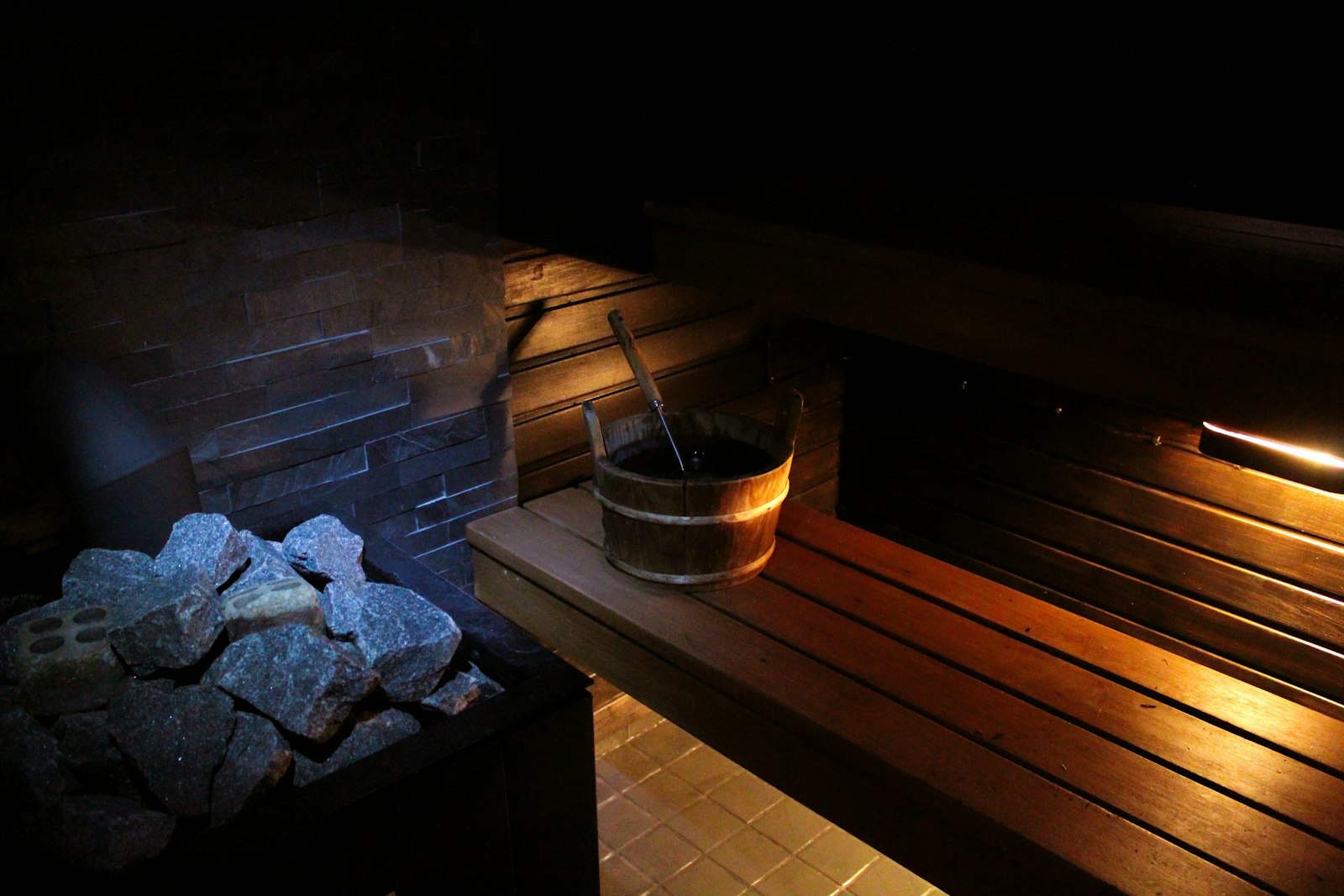
A Practical Starting Dose
If you're new to infrared sauna, don't start at 45 minutes. Heat acclimation is a real physiological adaptation — your blood volume, sweat rate, and heart's ability to handle thermal stress all improve over 1–2 weeks of consistent, shorter exposures.
- Week 1: 10–15 minutes, 2–3 sessions, lower temperature setting
- Week 2: 15–25 minutes, 3 sessions, moderate temperature
- Week 3+: 25–45 minutes, 3–4 sessions weekly, at your comfortable upper temperature
- Experienced users: up to 45 minutes, 4–5x weekly, is common in heat-tolerance research protocols
| Goal | Session Length | Frequency | Notes |
|---|---|---|---|
| General relaxation / stress | 20–30 min | 2–3x/week | Moderate heat, hydrate before and after |
| Post-workout recovery | 20–30 min | 3–4x/week | Best 2–6 hours after training, not immediately |
| Cardiovascular conditioning | 30–45 min | 3–4x/week | Mimics mild aerobic load on the heart |
| Skin / circulation support | 15–25 min | 3x/week | Lower temp, focus on consistency over duration |
| New users / first month | 10–20 min | 2–3x/week | Build tolerance before extending time |
Timing: Before or After Training?
Infrared sauna is a heat stressor, not a warm-up tool in the traditional sense. Using it immediately before heavy lifting or high-intensity work can blunt performance by elevating core temperature and heart rate before you've done any real work. Most evidence-informed protocols place sauna sessions after training, with a buffer of at least 20–30 minutes to let heart rate settle somewhat, or later the same day.
If your primary goal is recovery — reducing perceived soreness and supporting relaxation — an evening session 2–6 hours post-workout tends to fit most schedules without interfering with sleep, provided you finish at least 60–90 minutes before bed to let core temperature drop.
Shop Portable & Cabin Infrared Saunas
Compare wattage, panel coverage, and chamber size across top-rated portable and full cabin infrared units before you commit to a dosing routine.
Browse Infrared Saunas →Hydration and Electrolytes Matter More Than You Think
A 30-minute infrared session can produce a significant fluid and sodium loss — some users report losing close to a pound of sweat per session once acclimated. Treating sauna hydration like you would a long training session (not just sipping water) helps prevent the lightheadedness and next-day fatigue that derails consistency.
Plain water replaces volume but not electrolytes. Pairing sessions with a sodium-and-mineral electrolyte formula, ideally one without excess added sugar, supports better fluid retention and reduces the chance of post-sauna headaches.
Stock Up on Clean Electrolyte Formulas
Look for sodium, potassium, and magnesium blends without heavy added sugar — ideal for pre- and post-sauna hydration support.
Shop Electrolytes on iHerb →Signs You're Overdoing It
If any of these show up repeatedly, scale back frequency or duration before adding more. Four quality sessions a week beat seven depleting ones.
- Persistent dizziness or lightheadedness after standing up
- Headache that doesn't resolve with water and rest
- Unusual fatigue lasting into the next day
- Resting heart rate notably elevated the following morning
- Skin irritation or excessive dryness with daily high-heat use
Who Should Be Cautious
Infrared sauna is generally well tolerated, but it's a genuine physiological stressor. Pregnant individuals, people with uncontrolled cardiovascular conditions, those on medications affecting blood pressure or sweating, and anyone with a history of heat intolerance should talk to a physician before starting a regular protocol. Alcohol and sauna use should never be combined — it significantly raises the risk of dehydration and fainting.
Tracking Progress Without Overcomplicating It
You don't need elaborate metrics to dose infrared sauna well. Note session length, cabin temperature, how you felt afterward, and sleep quality that night for a few weeks. Most people find their personal sweet spot — often 25–35 minutes at a moderate-high temperature, 3–4 times weekly — within the first month of consistent use.
Pair Sauna With a Recovery Stack
Infrared heat works well alongside percussion massage guns, compression gear, and sleep-support tools for a complete weekly recovery routine.
Explore Recovery Gear →From across the network
More from the network on related topics: VitaminSupplyCenter · TrainLikeAlpha · SleepOverride.