Foam rolling is cheap, simple, and genuinely backed by evidence — but only within a specific dose range. Roll for too short a time and nothing changes; roll too hard for too long and you risk bruising tissue you were trying to help. Here's exactly how much foam rolling the research supports, when to do it, and how to pick tools that match your actual recovery needs.
Foam Rolling "Dosage": Why Duration and Pressure Matter More Than You Think
Foam rolling doesn't come with a pill bottle label, but it absolutely has a dose-response relationship. Too little time and you barely nudge tissue tone; too much pressure held too long and you risk bruising, nerve irritation, or simply wasting time on a muscle that was never the problem. The research on self-myofascial release consistently points to short, repeated bouts rather than long, punishing sessions.
Most of the benefit — improved range of motion, reduced perceived muscle soreness, and a temporary drop in muscle stiffness — shows up within the first 90 seconds per muscle group. Beyond that, you're mostly accumulating discomfort without added payoff. Think of foam rolling like a supplement: the right amount at the right time beats maxing out the dose.
The Core Dosing Guideline: 30–90 Seconds Per Muscle Group
The most consistent finding across self-myofascial release studies is that 30 to 90 seconds of rolling per muscle group is the effective working range. Shorter passes (under 20 seconds) tend to produce minimal change in flexibility or soreness; longer sustained holds (beyond 2 minutes) show diminishing returns and can increase next-day tenderness in some people.
A practical protocol most coaches and physical therapists land on:
- Quads, hamstrings, calves, glutes, lats: 45–60 seconds each, both sides
- Smaller or more sensitive areas (IT band, forearms, neck): 20–30 seconds, lighter pressure
- Total session length: 8–12 minutes for a full-body pass
- Frequency: daily is fine for general tissue maintenance; 3–5x/week is enough for most recreational lifters
Pressure Is a Dose Variable Too
Intensity matters as much as time. The goal is a 6–7 out of 10 discomfort level — noticeable pressure that makes you want to breathe through it, not wincing pain that causes you to brace or hold your breath. If you're gripping the floor or your jaw is clenched, back off. Bracing defeats the purpose, because the nervous system responds better to pressure it perceives as tolerable.
Timing: Before, After, or On Rest Days?
Foam rolling works differently depending on when you do it, and matching timing to goal is where most people leave benefit on the table.
Pre-workout (2–5 minutes): Light rolling before training can temporarily increase range of motion without the strength and power deficits sometimes seen with long static stretching. Keep it brief and follow with dynamic movement.
Post-workout (5–10 minutes): This is where most of the soreness-reduction research is concentrated. Rolling within an hour after training, and again over the following 1–2 days, has been shown to modestly reduce delayed-onset muscle soreness (DOMS) and perceived fatigue compared to doing nothing.
Rest days: A slower, more thorough session (10–15 minutes) on rest days supports recovery without interfering with training output, and it's a low-cost way to check in on tissue that's been chronically tight.
| Goal | When | Duration/Muscle | Pressure |
|---|---|---|---|
| Pre-workout mobility | 5–10 min before training | 20–30 sec | Moderate (5/10) |
| Post-workout recovery | Within 60 min after training | 45–60 sec | Firm (6–7/10) |
| DOMS management | Days 1–2 post-training | 60–90 sec | Firm (6–7/10) |
| General maintenance | Rest days / evenings | 45–60 sec | Moderate-firm (6/10) |

Choosing the Right Tool for the Dose You Need
Not all rollers deliver the same pressure, and matching density to experience level is part of getting dosing right.
Smooth, soft-density foam rollers are the right starting point for beginners, older adults, or anyone rolling tissue around a recent injury — they distribute pressure broadly and are forgiving.
Textured or ridged rollers concentrate pressure into smaller contact points, effectively increasing the 'dose' at the same time setting. These suit people who've built a tolerance and want more targeted work on dense areas like the quads or glutes.
Vibrating foam rollers add a mechanical input that some research suggests may enhance short-term flexibility gains slightly more than static rolling alone, likely through additional neuromuscular feedback — useful if your sessions are time-limited.
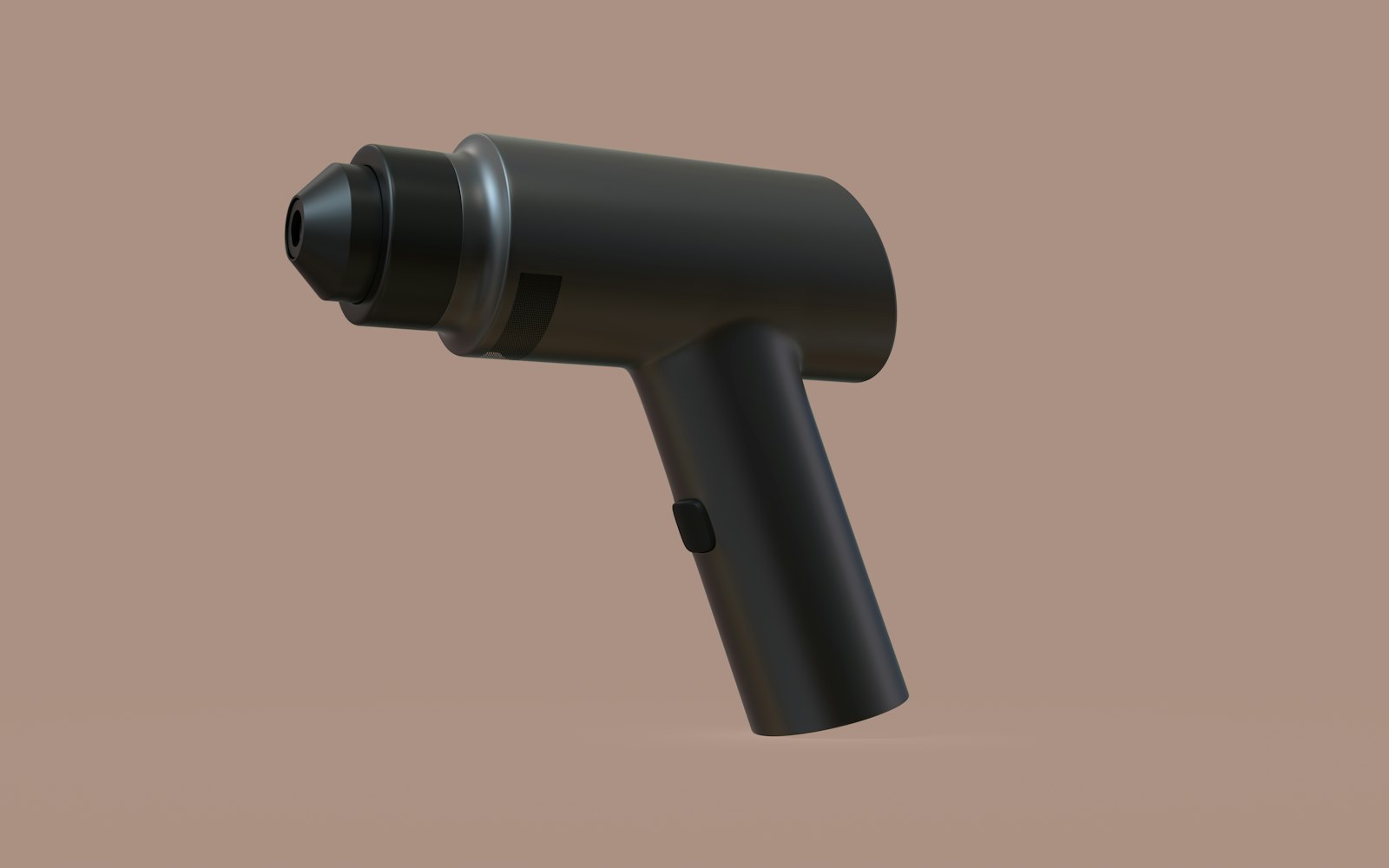
Percussion/massage guns and firm massage balls aren't foam rollers, but they follow the same dosing logic: 15–30 seconds per trigger point, 2–3 passes, moderate pressure, never directly on a joint or bone.
Build a Proper Foam Rolling Kit
A graduated set — smooth, textured, and a firm massage ball — lets you match tool density to muscle group and session goal instead of using one roller for everything.
Shop Foam Rollers →Safety: Where the Dose Becomes a Problem
Foam rolling is low-risk, but dosing errors are where issues arise. The most common mistakes are rolling directly over joints, the lower back's bony spine, or the front of the neck — none of these areas benefit from compression and all carry higher injury risk. Stick to large muscle bellies and stop at the joint line.
Avoid rolling over areas with acute swelling, recent surgical sites, varicose veins, or suspected deep vein thrombosis. If a spot produces sharp, radiating, or numb/tingling sensations rather than a dull, achy pressure, stop — that's a nerve response, not a muscle response, and more pressure or time will not help.
People on blood thinners, with uncontrolled hypertension, or with connective tissue disorders should get clearance from a physician before adding firm or textured rolling to a routine.
Supporting the Tissue You're Rolling
Foam rolling manipulates fascia and muscle, but the raw materials for tissue repair come from recovery fundamentals: sleep, hydration, and adequate protein and collagen-supportive nutrients. Rolling without supporting intake is like stretching a dry rubber band — you're working against the material itself.
Support the Connective Tissue You're Rolling
A daily collagen peptide or joint-support blend with vitamin C gives fascia and tendons the building blocks to adapt to regular soft-tissue work, rather than just surviving it.
Browse Collagen Support →Pair Rolling With Muscle-Relaxation Support
Magnesium glycinate is a go-to evening pairing for lifters who foam roll before bed — supporting normal muscle relaxation and sleep quality alongside your mobility work.
Shop Magnesium →Build a Full Recovery Protocol
Foam rolling is one input in a larger recovery system — see how it stacks with sleep, nutrition, and supplementation in our complete recovery framework.
Explore Recovery Guides →From across the network
More from the network on related topics: VitaminSupplyCenter · TrainLikeAlpha · SleepOverride.