Foam rollers all look the same on a shelf, but density, texture, and vibration change how they actually work on your tissue—here's how to choose gear that earns its place in your recovery routine instead of collecting dust.
Why Your Recovery Toolkit Needs More Than One Roller
Foam rolling and self-myofascial release have moved from physical therapy clinics into mainstream training rooms, and for good reason: consistent pressure work on tight tissue can improve range of motion, reduce perceived soreness, and prime muscles before heavy sessions. But not all rollers do the same job. Density, texture, diameter, and whether the tool vibrates all change how force is delivered into tissue.
This guide breaks down what actually matters when choosing foam rollers and mobility tools in 2026, so you're not just buying a trendy cylinder that sits under your bed after week two.
Density Is the Most Important Spec You're Ignoring
Foam density determines how much the roller compresses under bodyweight versus how much force transfers into your muscle. Soft, low-density rollers are forgiving and better for beginners, larger muscle groups like the quads and lats, or anyone rolling directly after an intense workout when tissue is already inflamed.
Firm, high-density rollers—often made from molded EVA foam rather than hollow-core designs—hold their shape and deliver more direct pressure. These suit experienced users targeting stubborn spots like the IT band, calves, or glutes. Going too firm too soon on tender tissue can cause guarding, where muscles tense up defensively instead of releasing.
- Soft/low-density: beginners, large muscle groups, post-workout cooldown
- Medium-density: general daily use, most versatile pick
- High-density/firm: experienced users, targeted trigger-point work
- Textured or ridged surfaces: mimic manual therapy, good for IT band and calves
Diameter and Length Matter Too
A standard 12-18 inch roller works for most single-limb work, while full-length 36-inch rollers are better for spinal mobility drills and balance-based core exercises. Smaller diameter rollers concentrate pressure more intensely into a narrower band of tissue, which is useful for targeted release but less comfortable for beginners.
Vibrating Rollers: Worth the Upgrade?
Vibrating foam rollers add a motor-driven pulse to standard compression, and the theory behind them borrows from percussive therapy devices. Vibration is thought to help override the nervous system's protective muscle guarding response, potentially allowing deeper tissue release with less discomfort than static rolling alone.
In practice, vibrating rollers tend to shine for pre-workout activation and quick desk-break resets, since the added stimulation can feel more energizing than static foam. They're heavier, need charging, and cost significantly more than standard foam—so they're an upgrade, not a replacement, for a basic roller in your bag.
Start With a Versatile Medium-Density Roller
A solid 18-inch medium-density textured roller covers 90% of daily mobility needs before you invest in anything specialized.
Shop Foam Rollers →
Beyond the Roller: Other Mobility Tools Worth Having
Foam rollers are the entry point, but a well-rounded mobility kit usually includes a few complementary tools for spots a roller can't reach effectively.
- Massage balls (lacrosse or peanut-shaped): ideal for glutes, feet, and shoulder blades where a roller is too broad
- Mobility bands: assist with joint distraction and stretching positions rollers can't replicate
- Massage sticks: great for calves and forearms, allow precise pressure control with your hands
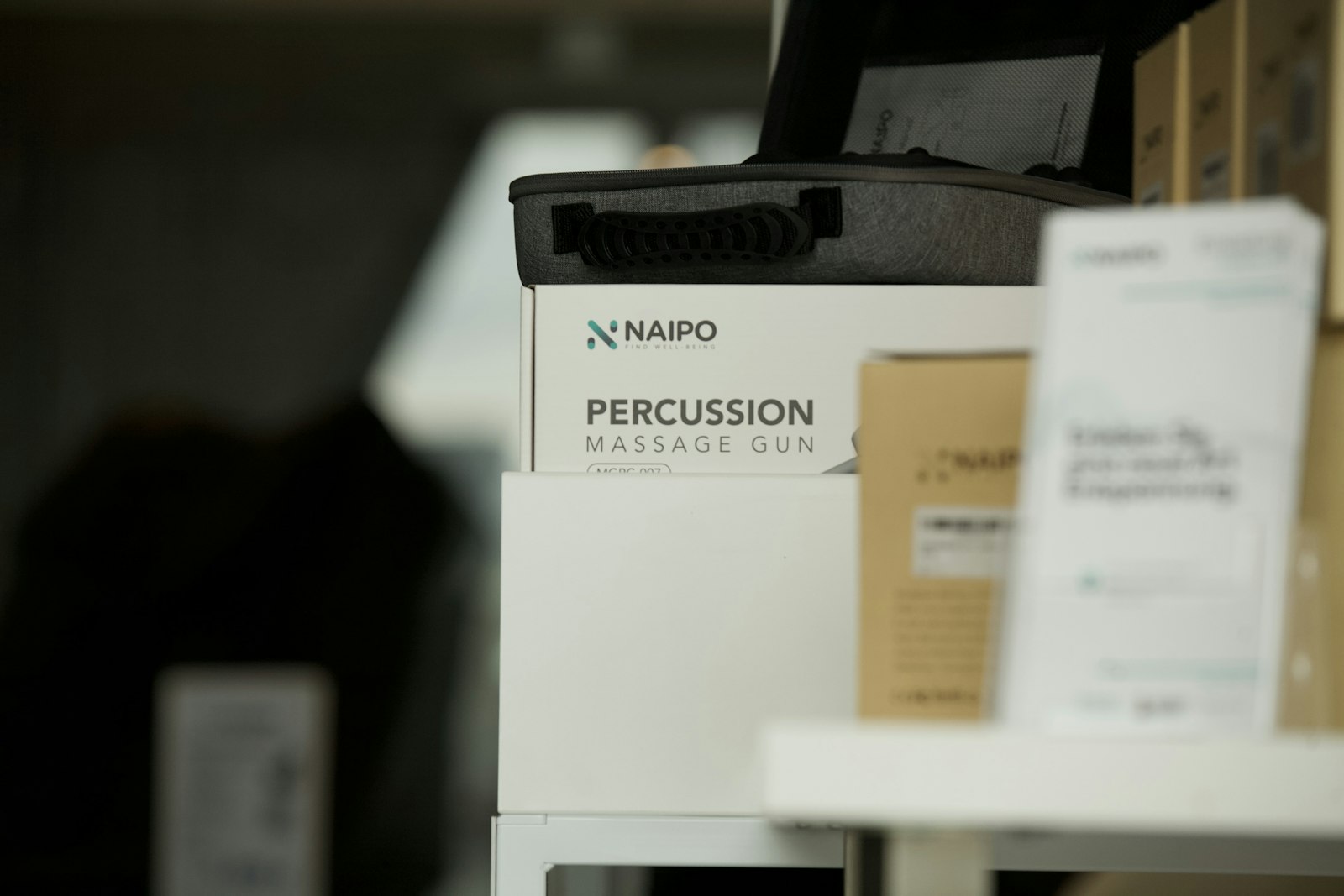
- Percussion massage guns: complement rolling by targeting specific muscle bellies with rapid, localized pulses
| Tool Type | Best For | Typical Density/Intensity | Good First Purchase? |
|---|---|---|---|
| Soft foam roller | Beginners, large muscle groups | Low density | Yes |
| Firm/molded roller | Targeted trigger points, athletes | High density | After basics |
| Vibrating roller | Pre-workout activation, time-limited sessions | Medium + motor pulse | Upgrade, not first buy |
| Massage ball | Glutes, feet, shoulder blades | Firm, small contact area | Yes, cheap add-on |
| Mobility bands | Joint distraction, deep stretching | N/A (resistance-based) | Yes, cheap add-on |
Add a Vibrating Roller for Pre-Session Prep
Multi-speed vibrating rollers help warm up tissue fast when you're short on time before training.
Compare Vibrating Rollers →How to Build a Simple, Effective Rolling Routine
Consistency matters more than intensity. A short daily routine of 60-90 seconds per major muscle group—quads, hamstrings, calves, glutes, and upper back—done before or after training is enough to notice improved mobility over several weeks.
Move slowly, roll along the length of the muscle rather than rushing back and forth, and pause on tender spots for 20-30 seconds without holding your breath. If a spot is sharply painful rather than dully tender, ease off; rolling should feel like productive discomfort, not injury pain.
- Start soft, progress to firmer tools as tolerance builds
- Roll before training for activation, after training for recovery
- Pair rolling with hydration and adequate protein intake to support tissue repair
- Avoid rolling directly over joints, the lower back spine, or acute injuries
Support Tissue Repair Alongside Mobility Work
Magnesium and collagen support supplements from iHerb can complement your rolling routine by supporting muscle relaxation and connective tissue health.
Shop Recovery Supplements →Final Take: Build Your Kit in Layers
Don't overthink your first purchase. A quality medium-density roller handles the majority of mobility needs for most lifters and runners. From there, layer in a firmer roller or vibrating option once you understand where your body holds the most tension, and round out the kit with a massage ball and mobility band for the spots a cylinder simply can't reach.
Shop Full Mobility Tool Sets
Bundled sets combining a roller, massage ball, and stretching strap offer solid value if you're building your recovery kit from scratch in 2026.
Shop Mobility Kits →From across the network
More from the network on related topics: VitaminSupplyCenter · TrainLikeAlpha · SleepOverride.